What Radon Mitigation Costs in Bowling Green, KY
What radon work actually costs around Bowling Green in 2026. These are honest regional ranges, not quotes — foundation type, house size and the karst under your particular lot set the real number. In a Zone 1 county the better question is usually not 'what does it cost' but 'what does it cost to keep not knowing.'
| Service | Typical price |
|---|---|
| Radon test, certified 48-hour monitor | $125 – $225 |
| Real-estate priority test | $150 – $250 |
| Mitigation system, typical basement home | $900 – $2,500 |
| Crawl space membrane system | $1,500 – $3,500 |
| Radon fan replacement, installed | $300 – $600 |
| System repairs (pipe, seals, sump dome) | Quoted after system check |
| New-construction radon-ready rough-in | $350 – $800 |
| Passive stack activation (fan + gauge) | $600 – $900 |
| Post-mitigation verification test | Included with installs |
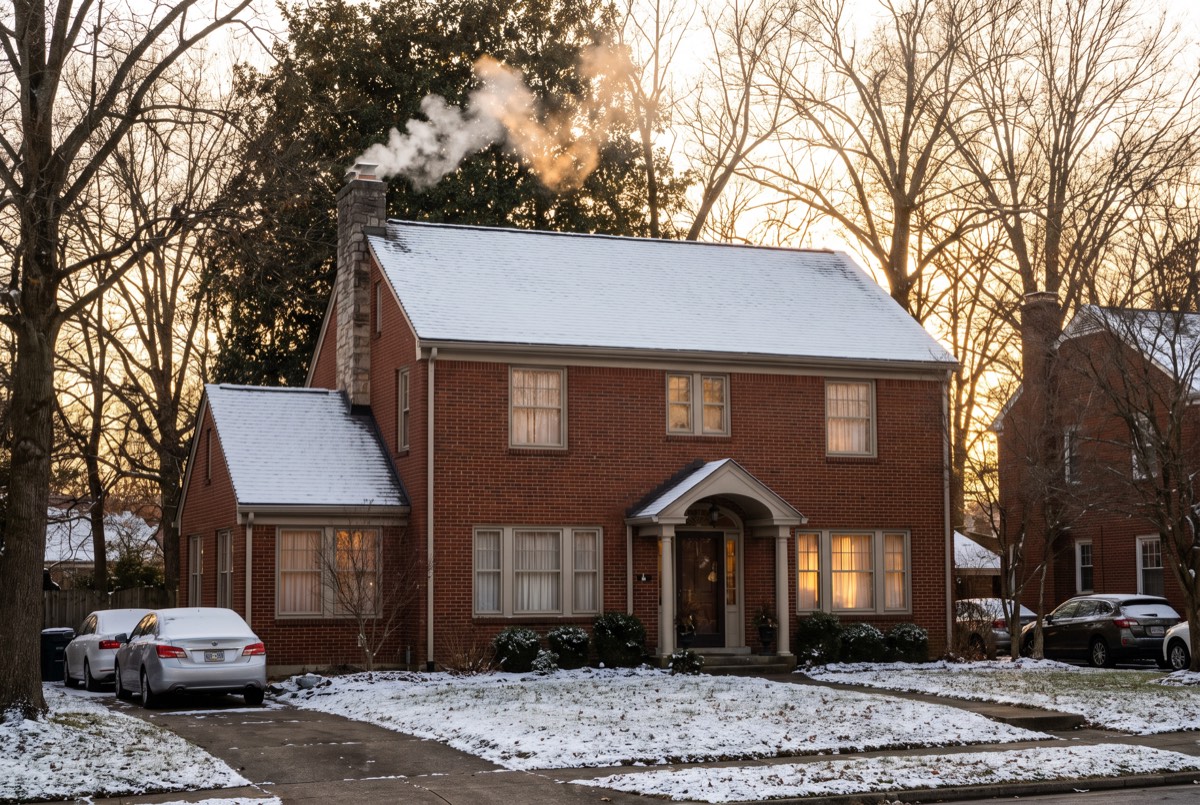
Winter is radon season - closed windows concentrate what the limestone sends up.
Why Kentucky mitigation prices are friendlier than you'd fear
High-radon regions develop efficient radon industries — the work is routine here, the crews are practiced, and the housing stock's sump pits hand installers a ready-made suction network. That is why a problem with '21,000 deaths a year' in its federal literature gets fixed in Warren County for roughly the price of a water heater. The expensive version of radon is the decade of not testing; the fix itself is a one-day, four-figure, guaranteed outcome.
Reading mitigation bids in cave country
Compare on the parts that decide whether the number actually drops: a sub-slab communication test before drilling (karst punishes guesswork), the sump pit sealed under a serviceable airtight dome rather than caulked shut forever, fan placement outside living space, a manometer you can read, and — non-negotiable — a post-install verification test in the price with a written below-4.0 guarantee. And in Kentucky, certification with the state Board of Radon Safety is the law: ask to see it, every time.
The two-year rhythm
The EPA's maintenance ask is modest: glance at the manometer when you pass it, retest the air every two years, and replace the fan when it dies (5–10 years, $300–$600). Against Warren County's geology, that small rhythm is the whole cost of permanent protection — cheaper per year than the cable bill, for the one utility in the house that's actually about lungs.